

Tipperary councillors hear over 20 people living on boats on Lough Derg

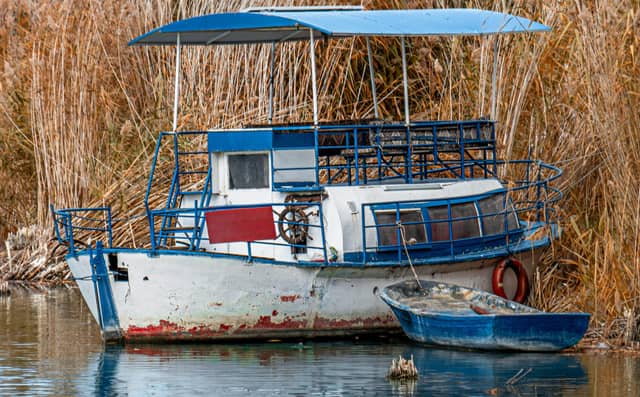

Waterways Ireland spoke to Nenagh MD councillors at their April meeting
Councillors in Nenagh have been told that more than 20 people are currently living on boats on Lough Derg, with many described as being in vulnerable circumstances.
The update was given during a meeting of Nenagh Municipal District as part of a presentation from Waterways Ireland on its work across the lake and inland waterways.
Officials outlined that there are in excess of 20 individuals living aboard vessels in the Lough Derg area.
It was indicated that a number of those involved are in difficult situations, with limited housing options available to them, and that living on the water is, in some cases, not a matter of choice.
Waterways Ireland said it is aware of those living on boats and engages with them in a measured and respectful manner, taking account of individual circumstances and maintaining regular contact where required.
The meeting also heard about ongoing issues in relation to boats remaining in public harbours for extended periods.
Surveys carried out at a number of locations found that a high proportion of vessels had not moved for some time, raising concerns around the use and turnover of mooring spaces.
Officials explained that where boats appear to be abandoned, or where owners cannot be contacted, action can be taken to remove them. These vessels are then held for a period in line with statutory requirements before being disposed of or sold.
Councillors were told that the cost of removing a single boat can be in the region of €1,000, with further costs incurred for transport and storage where necessary.
It was noted that these costs can add up quickly where multiple vessels are involved.
It was also outlined that a number of boats encountered in harbours are no longer actively used, and in some cases may not be in a seaworthy condition.
This can create additional challenges in terms of safety and access, particularly in busier locations.
Officials said that boats can become unattended for a variety of reasons, including illness, financial difficulty or changes in personal circumstances, which can result in vessels being left in situ for long periods without maintenance or oversight.
While living on boats is not prohibited, the meeting heard that marinas are generally more appropriate for longer-term stays, as they operate under different arrangements compared to public harbours, where movement of vessels is expected as part of normal use.
A number of councillors commented on the issue of boats remaining in place for extended periods in some locations, and the impact this can have on access and availability of mooring spaces for other users, particularly during busier times of the year.
The situation of those living aboard vessels was acknowledged as complex, with the need to balance the management of the waterways with an understanding of the circumstances facing some individuals, particularly those with limited alternatives.