

'Money disappearing from farms doesn’t politely stop at the gate': Budget 2026 needs to remember the farmers
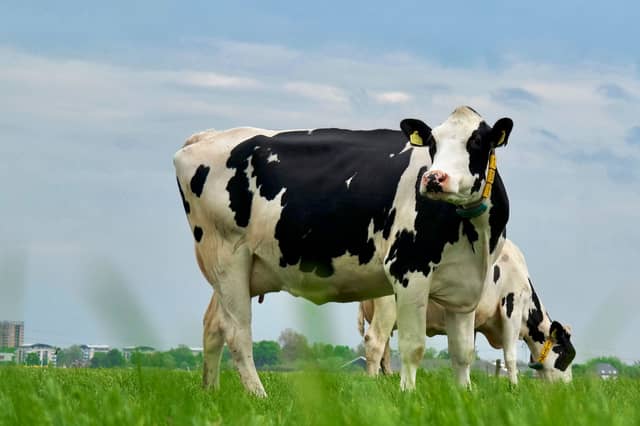

While the Budget on home soil is dominating headlines, Katie Gleeson reminds us that CAP negotiations are continuing in Brussels, and could mean a hit for Tipperary dairy farmers
Budget week is upon us, that annual occasion when the entire country becomes briefly fluent in fiscal policy before returning to the more pressing question of why the food shop costs so much.
I’ll be listening as a mother, a self employed taxpayer, a mature student and a farmer. Between those titles, I should qualify for either some relief or a lie-down.
For farming families, the wish list is practical enough: help with rising production costs, properly funded schemes, support for investment and a workable route for the next generation to take over.
The IFA has been making those arguments ahead of Budget 2027. There is only so much confidence you can build on a promise whose terms might change halfway through.
But another budget is being negotiated, with consequences that will last well beyond this week’s headlines: the European funding behind the Common Agricultural Policy, or CAP.
To be fair CAP sounds like something best left to a committee in Brussels. Unfortunately, a portion of the money pot has a Tipperary address.
Under the IFA’s €130-per-hectare scenario for the proposed post-2027 arrangements, Tipperary could lose almost €23 million a year in direct farm payments.
That is a projection, not a settled outcome. It is also a very good reason to pay attention before it becomes one.
Money disappearing from farms doesn’t politely stop at the gate. Which brings me to the bit of the economy I know from my own backyard: dairy.
The CSO counted 16,844 farms with dairy cows in 2023.
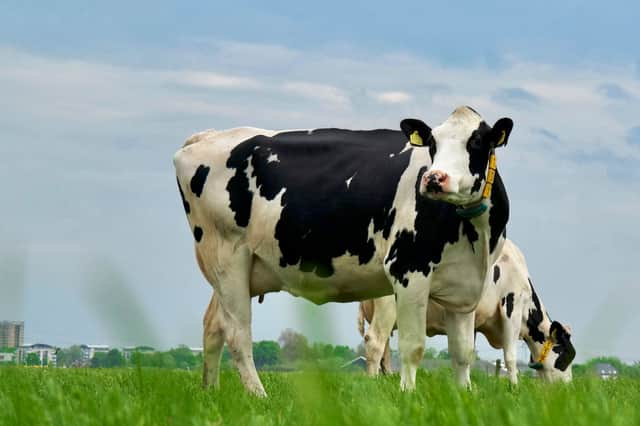
An EY report estimated that the dairy industry supported €17.6 billion in economic output in 2022, including its wider effects across the economy. In round numbers, that is roughly a billion euro in economic activity underpinned by every thousand dairy farms.
I'm very interested in where that activity reaches, like the contractor paying their staff. The mechanic buys lunch in town. Someone working in the processing plant pays for childcare.
Money earned through the agri-food sector helps support ordinary life at home.
Economists call this the multiplier effect.
Locally, we know it as having enough work. That’s what sits behind the figures: opportunity spread across families, businesses and communities. A countryside where people can earn a living, raise children and see a future.
Ireland is a small open economy and we should welcome investment.
In the same breath we should also recognise the investment generations of families have already made.
I would rather have a thousand dairy farmers underpinning a billion euro in economic activity than a billionaire buying a thousand acres of farmland.
That is a preference about the kind of countryside we want.
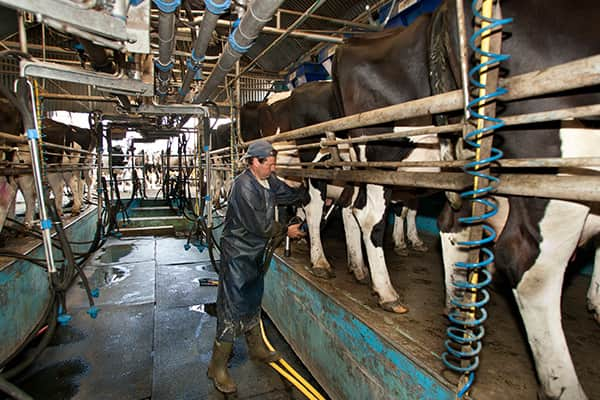
We get our political knickers in knot when investment arrives with a ministerial ribbon-cutting ceremony. When it arrives every morning in a milk tanker, we seem rather less impressed.
Perhaps familiarity makes us underestimate what is already here.
It would be another expensive lesson for rural Ireland to learn if we let it unravel. While I do not claim to be an economic expert, there is wisdom in being approximately right rather than precisely wrong.
The rounding helps us see the scale; a spreadsheet can count a payment without fully capturing what losing it means to a rural town.
Farmers have responsibilities too, including improving water quality and reducing emissions. Those improvements need investment and people confident enough to make it.
As the budget figures fly this week, I hope the Department of Finance remembers that a working countryside is worth investing in.